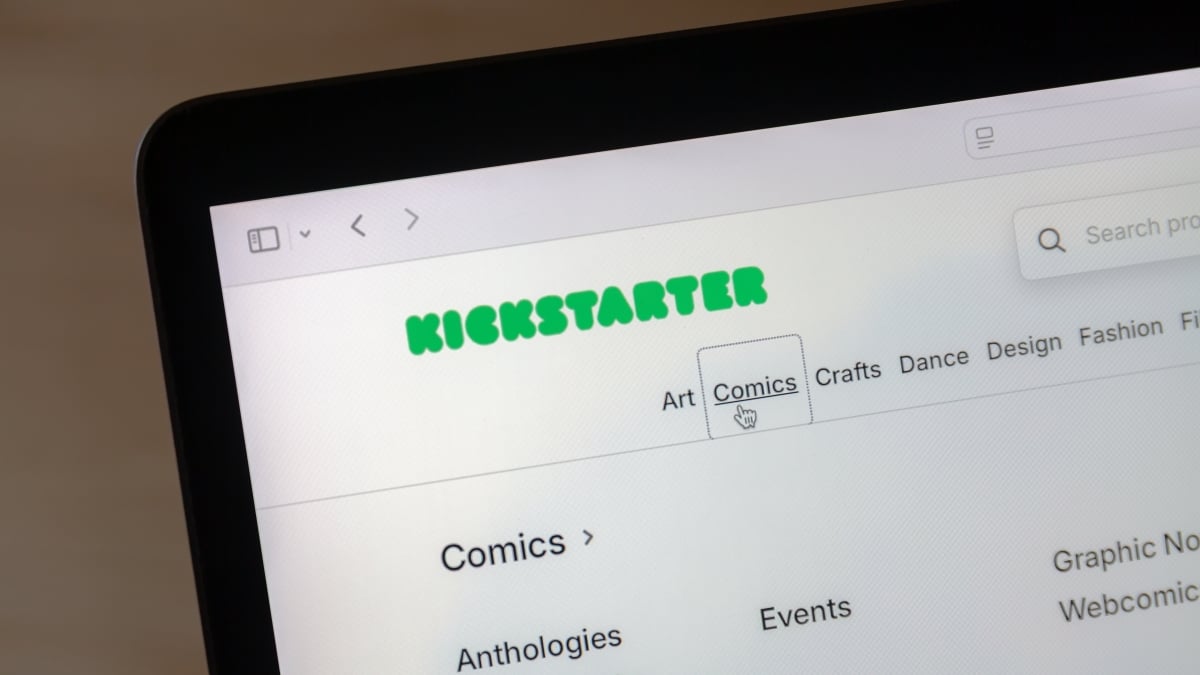
Kickstarter is walking back recent changes to its content guidelines, which users lambasted as blanket censorship.
Kickstarter announced the new adult-oriented content guidelines last week, prohibiting pornographic imagery, projects and reward tiers tied to sexual pleasure or gratification, and marketing of products designed for “insertion and penetration.”
Child safety organizations accuse Roblox of violating FTC rules
The changes were made to better reflect policies set by Stripe, the platform’s payment processor.
Kickstarter had previously come under fire for similar restrictions on sex toy companies, which were later amended. But as of last week, those policies were back on the table. Indie companies and artists who rely on the crowdfunding site decried the move, arguing that the new guidelines limited creative expression and impacted their businesses. Many suggested moving to competitor sites like Patreon.
Mashable Light Speed
This Tweet is currently unavailable. It might be loading or has been removed.
This Tweet is currently unavailable. It might be loading or has been removed.
“Honestly? We botched it. The rules didn’t land the way we intended, and the response from our community let us know loud and clear that we got it wrong,” wrote Kickstarter COO Sean Leow in a May 19 blog post. “The decision we made was an abandonment of the core counterculture, f*ck the establishment spirit of Kickstarter, and it left our community vulnerable.”
According to Leow, the new guidelines — which merged existing Kickstarter rules and Stripe prohibitions — were intended to provide a more streamlined experience for users who may eventually face roadblocks in their campaigns due to Stripe’s e-commerce constraints. “Over the past several months, we’ve seen a growing number of campaigns that had already been approved by Kickstarter get suspended by Stripe mid-funding,” he wrote.
However, in the face of widespread criticism, Leow said the platform would reverse course, reinstating former policies that simply prohibit pornography and illegal content — but this also means campaigns can once again face suspension at any point in time, Leow explained.
While Kickstarter goes back to the drawing board, users can consult the platform’s mature content review guide, which includes an explanation of common suspension triggers and ways to request an exception.
PakarPBN
A Private Blog Network (PBN) is a collection of websites that are controlled by a single individual or organization and used primarily to build backlinks to a “money site” in order to influence its ranking in search engines such as Google. The core idea behind a PBN is based on the importance of backlinks in Google’s ranking algorithm. Since Google views backlinks as signals of authority and trust, some website owners attempt to artificially create these signals through a controlled network of sites.
In a typical PBN setup, the owner acquires expired or aged domains that already have existing authority, backlinks, and history. These domains are rebuilt with new content and hosted separately, often using different IP addresses, hosting providers, themes, and ownership details to make them appear unrelated. Within the content published on these sites, links are strategically placed that point to the main website the owner wants to rank higher. By doing this, the owner attempts to pass link equity (also known as “link juice”) from the PBN sites to the target website.
The purpose of a PBN is to give the impression that the target website is naturally earning links from multiple independent sources. If done effectively, this can temporarily improve keyword rankings, increase organic visibility, and drive more traffic from search results.